Fishery Water Quality Testing Explained: What to Test, What Results Mean and When to Act
Updated: Aug 14

Fishery water quality testing is one of the quickest ways to understand why a lake, pond or watercourse is not performing as it should. If fish are showing signs of stress, water clarity has dropped, algae is spreading or weed growth is becoming harder to control, testing helps move the conversation from guesswork to evidence.
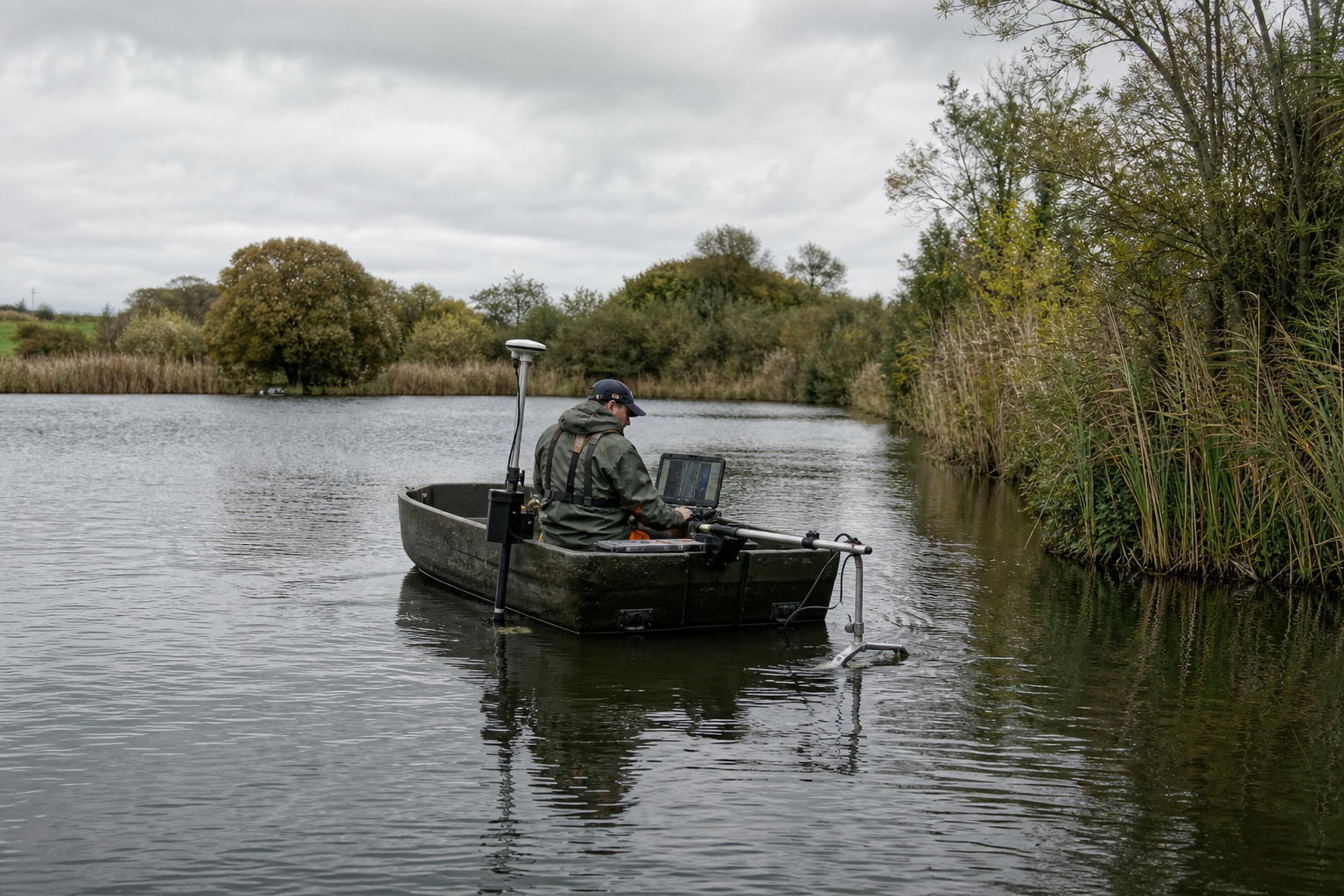
At UK Fisheries Water Management, we provide practical water quality testing, fishery surveys and consultancy for landowners, angling clubs, private estates and commercial venues across the United Kingdom. From our base in Braintree, we help clients identify what to test, what the results mean and when action is needed to protect fish welfare, habitat quality and long-term fishery performance.
Why fishery water quality testing matters
Many water problems look similar on the surface. Murky water, poor sport, excessive weed and fish stress can all share overlapping causes. A visually clear lake can still have chemistry issues, while an algae bloom may be a symptom of a bigger nutrient or silt problem rather than the whole issue itself.
Good testing gives you context. It helps answer questions such as:
Is oxygen dropping at critical times of day?
Are nutrients encouraging algae or nuisance plant growth?
Is organic loading increasing because of silt, decaying weed or runoff?
Is water chemistry stable enough for healthy fish populations?
Do you need monitoring only, or wider management and restoration work?
That matters because the right response depends on the cause. Treating symptoms without testing can waste time, money and effort.
What to test in a fishery water quality assessment
There is no single universal checklist for every venue, but the following parameters are commonly important in fishery water quality testing.
Dissolved oxygen
Dissolved oxygen is often the most time-sensitive measure because it directly affects fish welfare, feeding behaviour and survival. Low oxygen levels can follow warm weather, still conditions, heavy algal respiration, excessive organic breakdown or dense weed growth.
One of the key points with oxygen is timing. Early morning readings can be very different from afternoon readings, which is why professional sampling strategy matters.
pH, alkalinity and hardness
These readings help show how stable the water chemistry is and how well the water can buffer change. Sudden swings in pH can stress fish, while alkalinity and hardness help explain how the water responds to nutrient pressure, rainfall, product applications and wider management decisions.
On their own, these numbers are not the whole story. Interpreted together, they provide a much better picture of how resilient the waterbody is.
Ammonia, nitrite and nitrate
These nitrogen-related parameters can point to organic loading, waste build-up, low biological processing or the effects of decaying vegetation. They are particularly relevant where fish are under pressure, water exchange is limited or a venue has recurring water quality complaints.
Ammonia is especially important because its toxicity can increase as temperature and pH rise. This is one reason isolated figures should never be read without site context.
Phosphate and nutrient loading
If algae, green water or aggressive plant growth are becoming persistent, nutrient testing is often essential. Phosphate does not tell you everything on its own, but it can help explain why a waterbody is becoming more productive in the wrong way.
Where nutrients are elevated, the next question is usually source. Runoff, waterfowl, decaying organic matter, inflows and accumulated silt can all contribute.
Temperature and seasonal behaviour
Temperature affects fish metabolism, oxygen availability and the way chemistry behaves in the water column. In deeper waters, it can also relate to layering and poorer conditions at depth. Seasonal readings help explain why a fishery behaves differently in summer, autumn or after prolonged rainfall.
Turbidity, clarity and suspended solids
Not all discoloured or cloudy water has the same cause. Suspended solids, runoff, bank erosion, algal activity and fish disturbance can all affect clarity. Testing, combined with site observations, helps distinguish between temporary colour change and a longer-term management issue.
What the results mean in practice
The most useful way to read water test results is as a pattern, not as isolated numbers on a sheet. Professional interpretation looks at the relationship between chemistry, weather, depth, inflows, fish behaviour, weed pressure and the physical condition of the site.
Common examples include:
Low oxygen alongside warm, still weather: often a sign that fish are under immediate stress and conditions should be checked quickly.
High nutrients with visible algae or blanket weed: often points to enrichment rather than a one-off visual issue.
Raised ammonia or nitrite: can suggest organic waste pressure, decomposition or reduced water quality resilience.
Poor clarity after rainfall: may indicate runoff, inflow issues, disturbed margins or catchment-related sediment entering the water.
Stable chemistry but poor fishery performance: can mean the problem is not chemistry alone and may involve habitat, stock balance, depth loss or silt accumulation.
This is where a broader site view becomes valuable. At UK Fisheries Water Management, our fishery surveys and water sampling are designed to inform practical decisions, not just produce figures without explanation.
When to act after fishery water quality testing
Some situations justify urgent action, while others call for planned management rather than emergency response.
Act immediately if you notice:
Fish gasping at the surface or congregating around inflows
Sudden fish stress or unexplained mortalities
Rapid colour change, odour or visible pollution
A sharp deterioration during hot, still weather
Post-storm changes that suggest runoff or contamination
In these situations, time matters. Testing can help identify whether the issue is oxygen, pollution, nutrient shock or another water quality trigger.
Arrange testing soon if you are seeing:
Recurring algae blooms or persistent green water
Increased weed growth compared with previous seasons
Ongoing murkiness or reduced water clarity
Declining sport, stressed fish or inconsistent performance
Changes before stocking, restoration or management work
Planned testing is also sensible before major interventions. If you are considering stocking, habitat works or lake and fishery restoration services, a water quality baseline helps make better decisions and track the effect of any work carried out.
Why professional sampling gives you better answers
One of the most common mistakes in lake water testing is assuming that any sample, taken at any time, will tell the full story. In reality, sampling location, depth, weather conditions and time of day all affect what the results mean.
A professional assessment helps because we look beyond the bottle sample. We consider the site as a working fishery or managed waterbody, including:
Recent weather and seasonal conditions
Visible signs of algae, weed, silt or erosion
Fish behaviour and welfare indicators
Inflow and outflow influences
The likely interaction between water chemistry and physical habitat
Because we also provide fishery consultations, habitat improvement, stock assessment, bank stabilisation and restoration works, our recommendations can be practical and site-specific rather than generic.
What to expect from a fishery water quality assessment
Although every venue is different, a structured process usually works best.
Initial discussion: we establish what has changed, when problems started and what symptoms you are seeing.
On-site observations: we assess the waterbody visually, including margins, inflows, weed growth, clarity and broader fishery condition.
Targeted sampling: we collect the right samples for the issue in question rather than relying on guesswork.
Interpretation: results are considered alongside site conditions, likely causes and management priorities.
Recommended next steps: this may involve monitoring, further survey work, restoration planning or management changes.
The aim is simple: give you clear, usable information so you can act with confidence.
FAQ: fishery water quality testing
How often should a fishery have water quality testing carried out?
That depends on the type of waterbody, the pressures it faces and whether you are dealing with a current issue. Many fisheries benefit from testing when symptoms appear, before management changes and at key seasonal points if problems tend to recur.
What is included in fishery water sampling?
Sampling can include core chemistry such as dissolved oxygen, pH, nutrient-related indicators and clarity-related assessment, depending on the site and the problem being investigated. The most useful testing plans are tailored rather than one-size-fits-all.
Can poor water quality affect fish behaviour before a serious incident happens?
Yes. Reduced feeding, unusual fish movement, fish holding near inflows, inconsistent sport and general stress can all appear before a major visible event. Early testing can help identify issues before they become more disruptive.
Do I need lake water testing before stocking or restoration work?
In many cases, yes. Testing provides a better baseline for decision-making and helps show whether the waterbody is ready for the next stage of management. It can also prevent the wrong intervention being chosen.
Is one test enough to diagnose every water quality problem?
Not always. Some issues are clear from a single well-timed assessment, while others need follow-up sampling or wider survey work to separate seasonal fluctuation from an established problem. Good interpretation is as important as the test itself.
Conclusion
Fishery water quality testing is not just about producing lab numbers. It is about understanding how your lake, pond or watercourse is functioning, spotting risk earlier and choosing the right response for fish welfare and long-term performance.
If you are dealing with poor clarity, algae, weed pressure, fish stress or a general decline in how your water is performing, we can help you get clear answers. Book a professional water quality test and fishery assessment with UK Fisheries Water Management to understand what is happening and what to do next.